
From Haymarket to the Labor Act 2026: A look at the global struggle, the ILO’s psychological theme, and Bangladesh’s path forward to safer, fairer work
The first of May has always carried a quiet weight, so heavy that it reminds us we stand on the foundation of humanity and its efforts to make a living. It is the day we remember that every building stands, every skyscraper boasts, and every meal is served because someone, somewhere, showed up to work.
The history of May Day stands as an iconic moment, as thousands of workers across Chicago took to the streets to demand an eight-hour workday on May 4, 1886. As workers protested peacefully to change the norm of working twelve hours under hazardous conditions, the situation escalated to violence when a bomb was thrown at police during a rally, and it was followed by gunfire and the deaths of innocents. As a result, in 1899, the Second International formally declared May 1 as International Workers’ Day to honor those who fought for basic labor rights.
For most of its existence, Labor Day has always been about visible wounds, the form that took place in factories, chemical burns or broken bones. But this year, the International Labor Organization turned the heads of many as they focused on the struggles that can only be felt but never seen. This year’s theme places mental well-being at the center of the conversation, highlighting the risk that can be seen in almost any high-performing organization, from stress and burnout to anxiety and fatigue. The ILO is therefore urging governments to design a framework that reduces the overbearing workload, prevents discrimination, and supports a healthier work-life balance. Productivity cannot come at the cost of human well-being.
For Bangladesh, the national theme was “সুস্থ শ্রমিক, কর্মঠ হাত; আসবে এবার নব প্রভাত” meaning ‘“Healthy Workers, Productive Hands, A New Dawn Awaits”, that places workers’ well- being at the center of progress. In light of the theme, Bangladesh enacted the Labor Act 2026, a landmark reform amending 93 sections of the country’s labor law. Changes included allowing trade unions to be formed with just 20 workers, replacing the 20% threshold that made forming unions difficult for many. It made blacklisting workers entirely illegal,
and maternity leave has been extended to 120 days with pay, a major step for women’s workplace rights. Larger employers have been ordered to establish provident funds, changing old customs and pushing for a better, more secure future for laborers, with revised rules and procedures for termination and resignation.
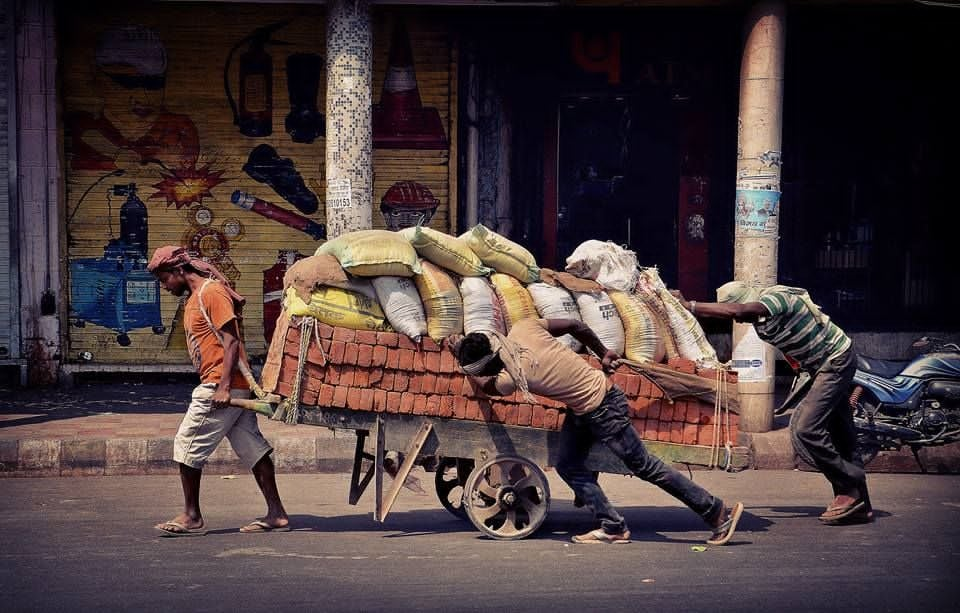
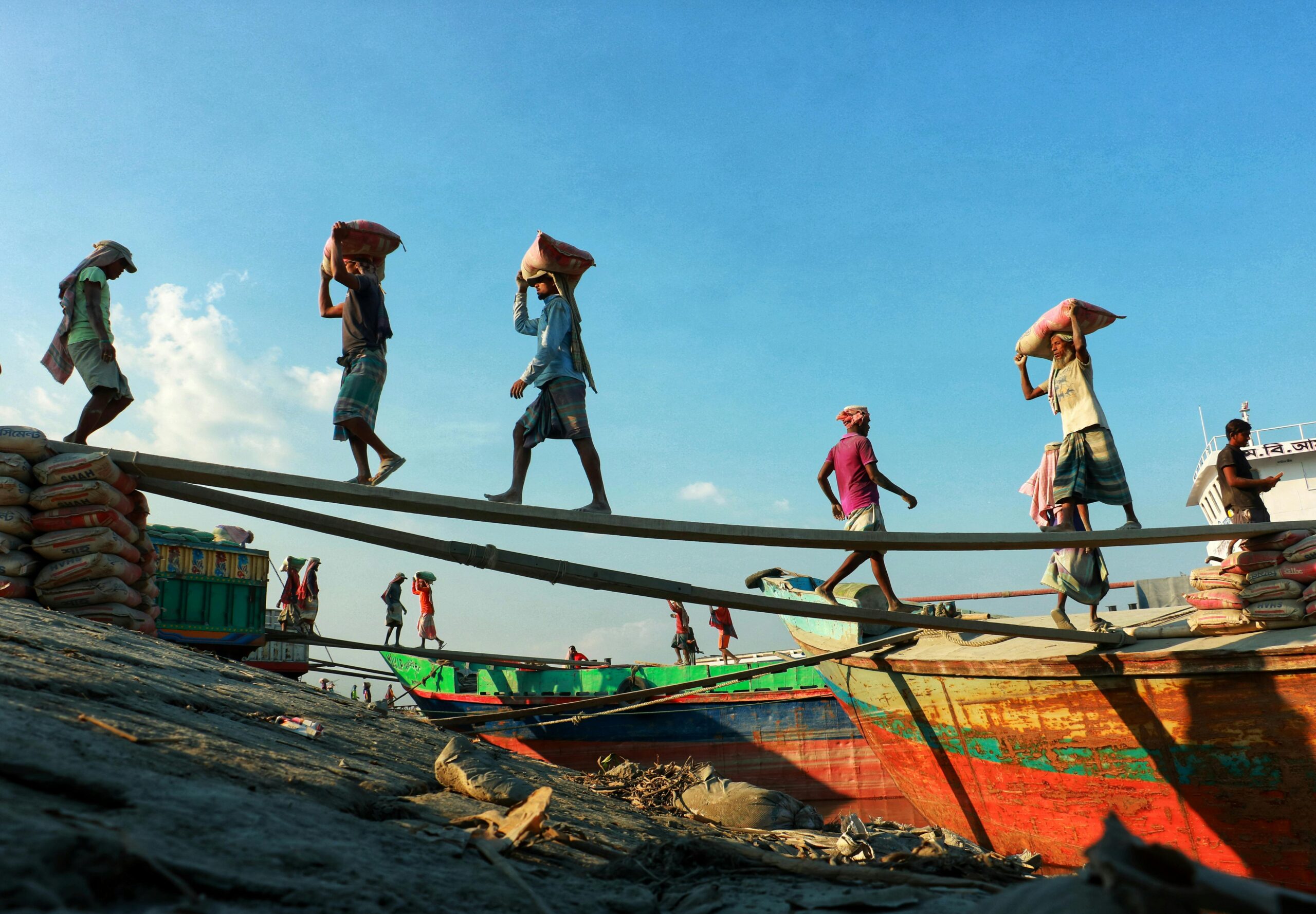
The foundation has been laid, the laws rewritten, and the conventions signed. What awaits now is the rising awareness of the workers, who must know what has been created for them so that they are not deprived of any benefits. A new dawn will never come for the laborers who won’t know what to fight with when the darkness of the night comes. Therefore, the march for laborers that started in 1886 in Chicago continues in Bangladesh, as workers who rise before dawn, piece together a living from overtime, and wonder whether their family will eat the next day, feels deprived of the promises of May Day which may have not yet been fulfilled for them.